

 Facebook
 X
 Pinterest
 Copy Link
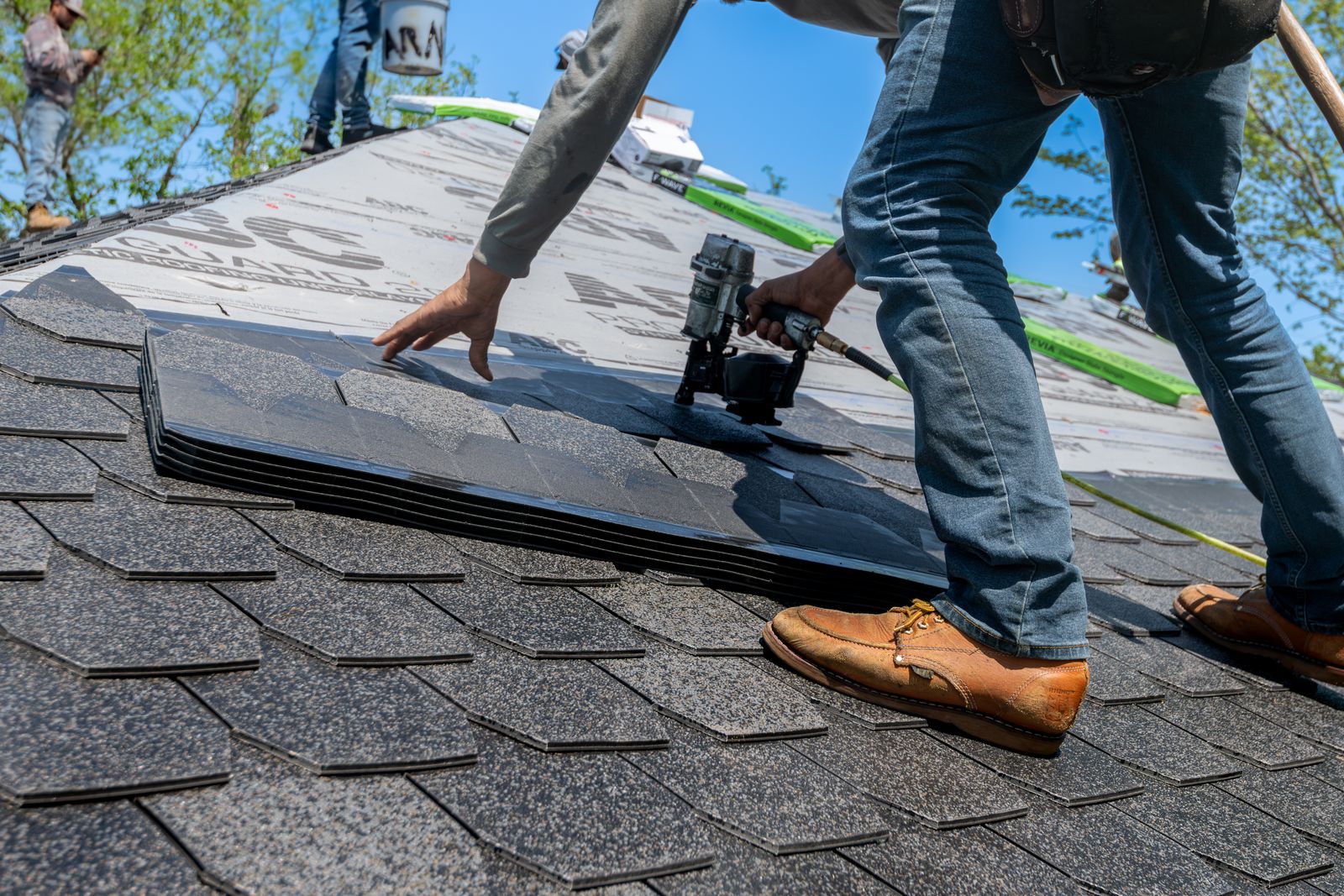
Photo by Ryan Stephens / Pexels. Stock photo; roofing product and impact rating not verified.
If your roof is showing its age or sustained hail damage this season, you may be focused on finding a contractor and getting the work scheduled. But before you approve a replacement, there’s another call worth making: your homeowners insurance agent.
The roofing material you choose could affect your insurance premium for years to come. Class 4 impact-resistant shingles—and certain qualifying steel roofing products—may qualify for discounts that make an upgrade more affordable than you’d expect.
What makes Class 4 shingles different?
Class 4 shingles meet a high level of impact resistance under standardized testing. They’re designed to better withstand impacts than conventional shingles, making them worth discussing with your contractor when comparing replacement options.
However, impact-resistant doesn’t mean hail-proof. The rating doesn’t guarantee that a roof will survive every storm without damage or last a specific number of years. Product quality, installation, ventilation, and weather exposure all matter.
Steel roofing is another option to explore, but don’t assume every metal roof qualifies for the same insurance benefits. Have your agent confirm the specific product’s eligibility before you commit, and ask your contractor for a separate estimate so you can compare the full installed costs.
How much could you save?
Some of our clients have reported homeowners insurance premium savings approaching 50% after upgrading their roofs. That’s a meaningful real-world example—but it isn’t a guaranteed discount for every homeowner.
Your savings will depend on your insurance company, policy, location, and roofing product. A lower premium after replacement may also reflect the roof being new, alongside the impact-resistant upgrade. Ask your agent to explain what’s driving the savings and whether the quoted discount applies to your entire premium or only part of it.
Compare the upgrade cost with the annual savings
Suppose an upgrade costs $2,500 more than a standard replacement and your insurer quotes $1,000 in annual savings. Your simple payback period would be:
$2,500 ÷ $1,000 per year = 2.5 years
This is an illustrative example, not an estimate for your home. It assumes the annual savings remain unchanged and excludes financing costs. Use your contractor’s proposal and your insurer’s quote to make your own comparison.
Five questions to ask before signing a roofing contract
- Which specific roofing products qualify for a discount? Have your contractor identify the exact manufacturer and product so your agent can confirm eligibility.
- What would my annual premium be with a standard new roof versus the proposed upgrade? Comparing both options helps separate the benefit of a new roof from the additional savings for impact-resistant materials.
- Would my deductible, roof replacement coverage, or other policy terms change? Make sure you understand the coverage you would have along with the quoted price.
- Would I need to accept a cosmetic-damage exclusion? This is particularly worth asking about with metal roofing. Have your agent explain how the policy would treat hail dents that affect appearance without impairing the roof’s function.
- What documentation is required, and when would the discount take effect? Confirm what your roofer needs to provide and how you’ll know the discount has been applied.
Ask for the quote and any coverage changes in writing. If an insurance claim is paying for the replacement, also confirm whether the upgrade creates an additional out-of-pocket expense.
Already replaced your roof? Check your paperwork.
You may already have qualifying materials without realizing it. Review your installation records or contact your roofer to confirm the product installed, then ask your insurance agent whether a discount is available.
A roof replacement is a major expense. Taking a little time to compare materials, insurance savings, and coverage terms can help you make a more informed decision—and potentially reduce your ongoing cost of homeownership.
Need help starting the conversation?
If you’re looking for a roofing contractor or insurance professional in the Twin Cities, reach out. We’re happy to share a recommendation and help you connect with someone who can walk you through your options.
Additional resources:
Client savings examples are individual experiences, not guarantees. Discount eligibility, amounts, and coverage terms vary. Confirm details with your insurance agent before choosing a roofing product.
Charlie & Nancy Ritt
The Ritt Group
Twin Cities Real Estate
